Collaborative English Learning at the Higher Secondary Level: Challenges and Prospects
Synopsis
This research-driven volume offers a focused, empirical examination of how collaborative learning can reshape English Language Teaching esh's Higher Secondary context in Bangladesh's Grounded in mixed-methods data from four administrative divisions, it interrogates persistent barriers to effective classroom practice-low learner participation, weak interaction patterns. and misalignment between curricular intentions, textbook design, and pedagogical execution. Drawing on classroom observations, survey responses from 526 students, teacher interviews, focus group insights, and achievement tests, the study presents robust evidence that structured peer collaboration substantially improves learner autonomy, communicative confidence, and academic outcomes, even in overcrowded, mixed-ability environments.
The book's analytical lens extends to systemic constraints, including limitations in teacher professional preparation, unclear textbook guidance, and challenges associated with integrating digital tools into routine instruction. In response, it outlines practical, context-sensitive interventions such as strategic task scaffolding, intentional grouping, and the purposeful use of interactive Web 2.0 platforms. By synthesising research with actionable recommendations, the work urges educators, curriculum developers, and policymakers to adopt participatory, communication-driven instructional models.
Ultimately, it positions collaborative pedagogy as a viable, equitable pathway for revitalising English education and fostering sustainable language development aligned with Bangladesh's evolving educational priorities.
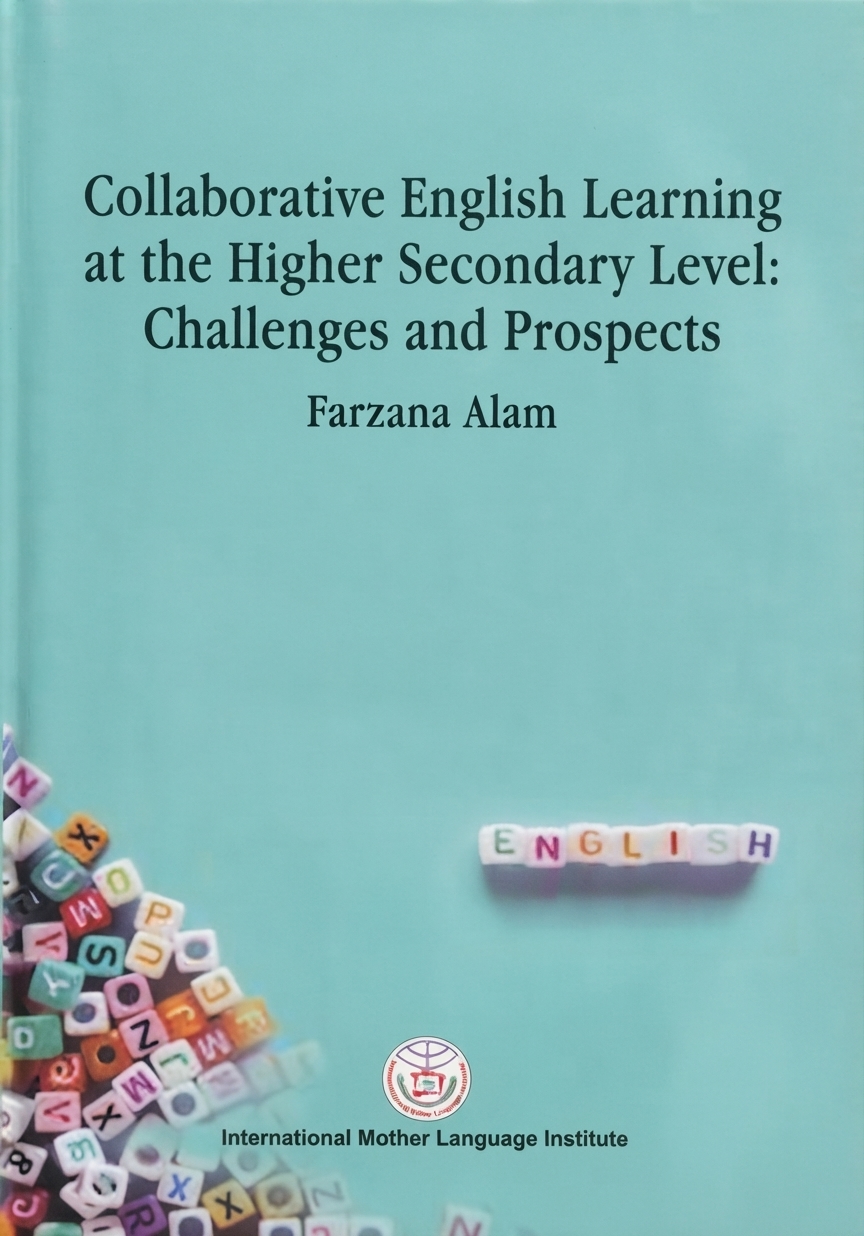
Published
February 24, 2026
Copyright (c) 2026 International Mother Language Institute Publication